The longer I work in music education, the more I come to see this old adage as false:
‘Those who can, do; those who can’t, teach.’
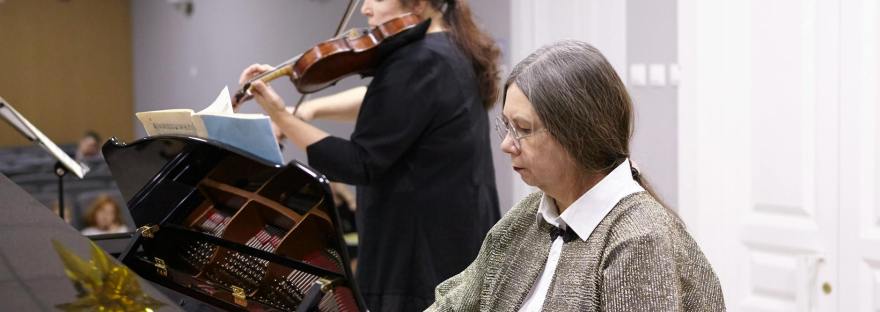
I was never brought up like that. My music education was delivered by practitioners – working musicians who taught during the day and played concerts by night (and weekend). This was an incredible privilege, not only because I was taught by true professionals with many years of playing experience, but also because we got inside stories of life on the road, life in the concert hall, real-world accounts of what it was like to play a piece of music in the biggest of venues, with top-flight orchestras, under top-flight conductors. My percussion teacher once told me about the time Simon Rattle helped him up the stairs with the timpani for Mahler’s Second Symphony.
Education at its finest is delivered by such practitioners. Yet the old adage would have us believe that it is okay for our children and young people to be taught by those whose hopes and dreams have been dashed on the rocks of reality; who, failing to make it in the Big Wide World, have settled for ‘just’ a teaching job.
It’s time to put that adage to bed once and for all. If not to death. Many of the teachers I know, both those who work in the classroom, and those that teach (like I do) one to one, are every bit as studied and professional in their subject as those whose jobs have them facing audiences or clients, rather than students, most of the time. Yes, some of them give most of their time to teaching, but that doesn’t stop them being passionate about their subject. And for those for whom teaching makes up only a part of their working life, it dovetails wonderfully with the rest of their public- or client-facing career.
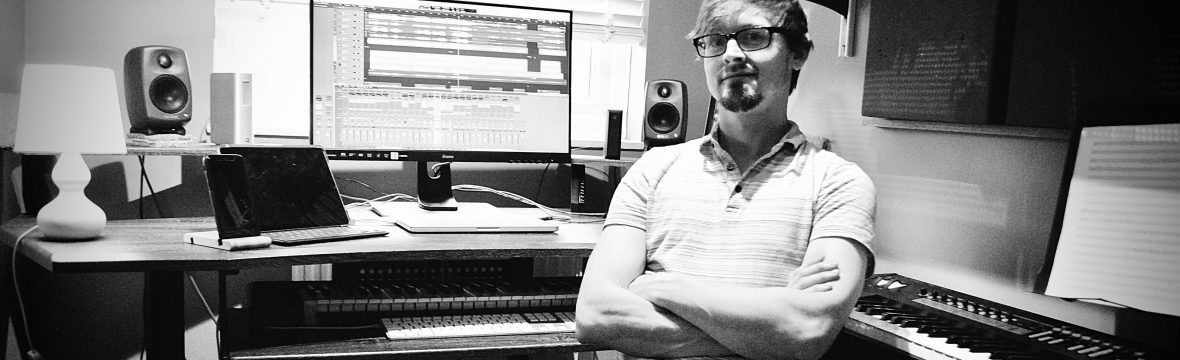
For me I find that the act of teaching itself improves my musicianship in ways no other practice can; it forces me to think wider, broader, deeper about the skills I deploy every day in my playing, making me a better musician when I’m out on a gig or laying down tracks in the studio. And the things I experience in those settings are then things I can take back as anecdotes, real-life experiences, to share with my students, to inspire them, to give them real-world applications to think about.
Teaching is everything. Other old adages show us this: ‘Give a man a fish and you’ll feed him for a day; teach a man to fish, and you’ll feed him for life.’ Teaching transforms the external, transient experience and makes it an internal, perpetual energy; when you are taught, you begin to understand how you too can do this.
So those who can, do, and the best of them teach.

 ben trigg music